
Hong Kong FinTech Week Side Event: Exploringthe New Digital Finance Ecosystem
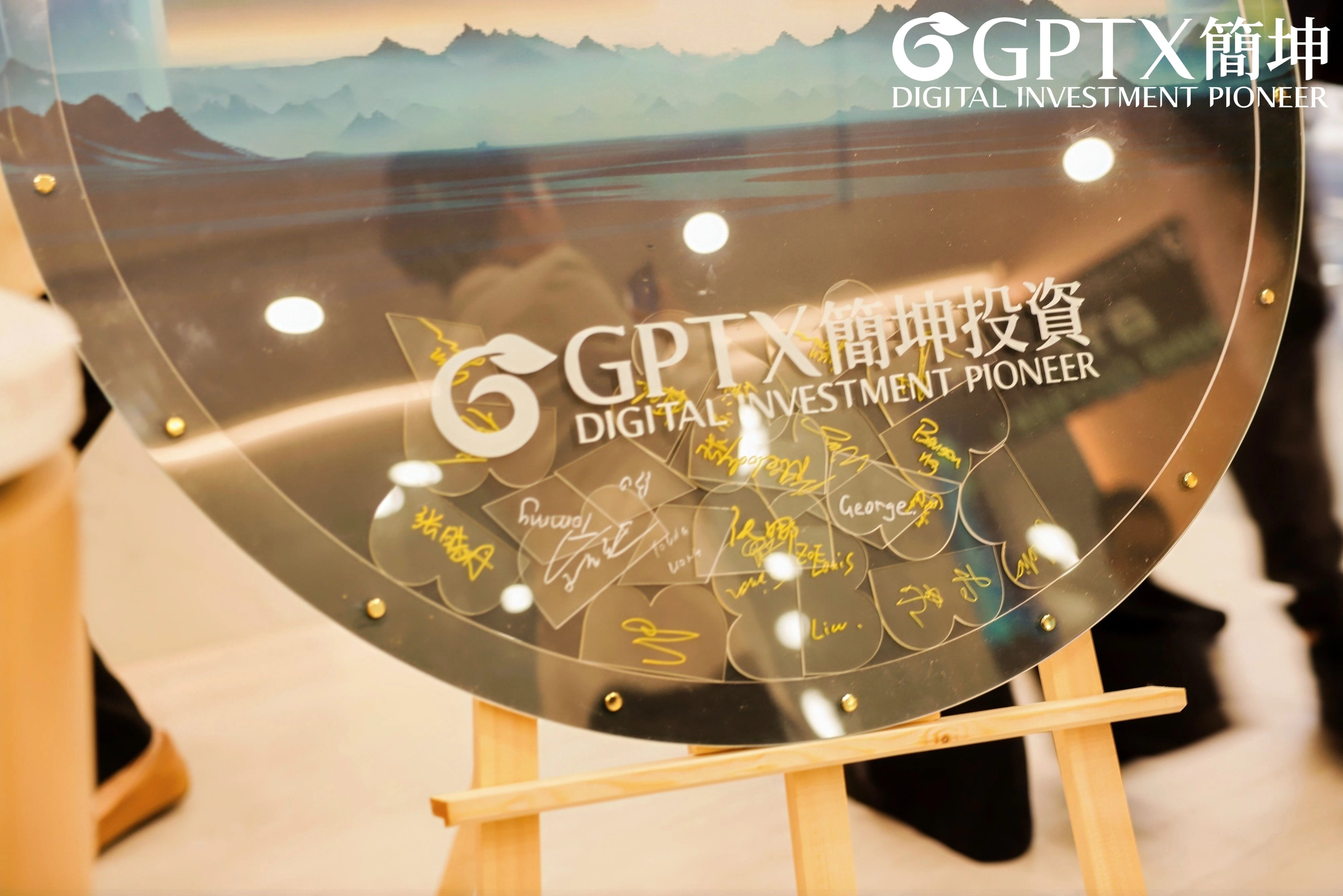
On November 6, 2025, a thematic event hosted by GPTX Investment Management Limited (“GPTX簡坤投資” or “the Company”) was successfully held in Hong Kong. The event focused on key topics such as asset allocation innovation, compliance framework construction, and technological innovation in the digital finance era, bringing together authoritative experts from financial institutions, technology companies, academic research, and legal compliance fields to jointly explore the integration path and development prospects of computing power and Real World Assets (“RWA”).
Core Agenda: Dual-Driven by AI and Digital Assets, Building a New Financial Blueprint
Keynote Speech I: Asset Allocation 2.0 - A New Paradigm for the New Finance Era
Ms. Ophelia Gao, Founder & CEO of GPTX簡坤投資, emphasized in her opening remarks that in the new finance era, the company focuses on bidirectional empowerment of the capital side and asset side, committed to becoming a bridge connecting Web2.0 and Web3.0, and the company has already deployed dual tracks of “AI and Digital Assets”. She pointed out that AI drives productivity evolution, while Web3.0 reconstructs asset allocation mechanisms, and together they constitute the core driving force for digital finance development. Ms. Ophelia Gao analyzed that the current Web3.0 bull market is driven by capital-side expansion, while the industry’s long-term growth must rely on “asset-side expansion”, that is, introducing more high-quality real-world assets on-chain to fully leverage blockchain’s advantages in financing efficiency.
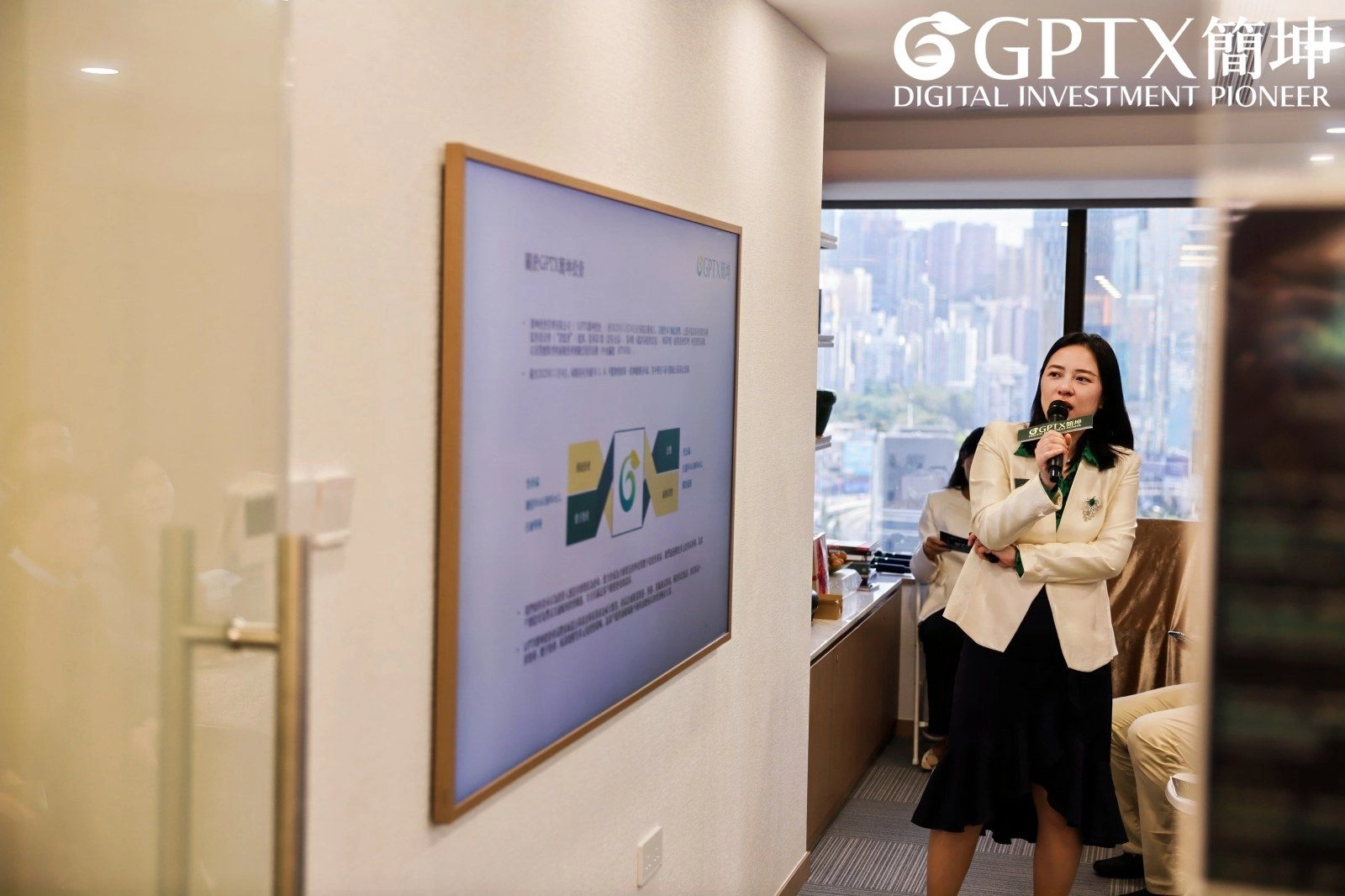
Keynote Speech II: Embracing New Finance - Building a Future Trust System between Innovation and Compliance
Ms. Helen Kan, former Executive Director and Alternate CEO of China CITIC Bank International Limited and Senior Advisor of GPTX簡坤投資, updated key data in her speech: the global digital asset market capitalization has exceeded $3.9 trillion, with Bitcoin accounting for 60%. She pointed out that the Hong Kong market has huge potential, with 16% of investors already holding digital assets, and the penetration rate among those under 40 years old reaches 23%. Ms. Helen Kan detailed the interpretation of two key circulars recently issued by the Hong Kong Securities and Futures Commission, which further optimize the virtual asset market ecosystem: firstly, allowing licensed Virtual Asset Trading Platforms (“VATPs”) to share liquidity under strict conditions, improving market depth and reducing costs; secondly, expanding product service scope, clearly exempting tokens to be listed on VATPs from the requirement of being listed on other exchanges for 12 months (only for professional investors), and emphasizing that “a clear regulatory framework is the key foundation for promoting institutional participation and building market trust”.
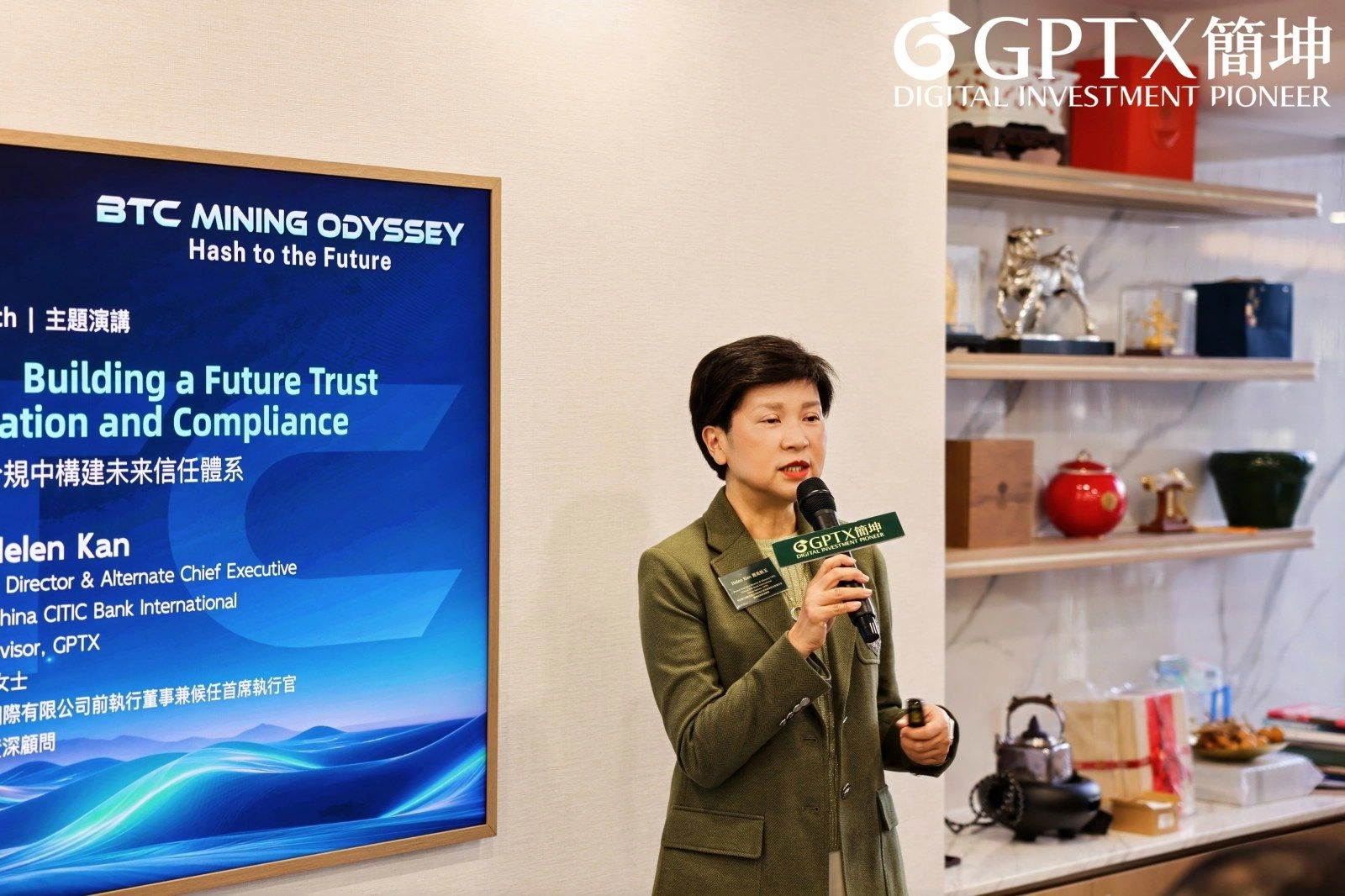
Keynote Speech III: Diversification - A Timeless Strategy in the Digital Finance Landscape
Prof. Zhiwu Chen, Chair Professor of Finance & Cheng Yu-Tung Professorship in Finance of the University of Hong Kong, and Senior Advisor of GPTX簡坤投資, analyzed from a global macro perspective: “Liquidity is the core of financial assets”, and tokens lacking liquidity do not have financialization value, and particularly reminded investors to pay attention to the credit intermediary risks behind stablecoins. Against the background of geopolitical landscape restructuring, he emphasized that investors need to maintain cross-regional and multi-category asset allocation, and proposed that “National Defense Technology” has become an emerging investment theme, citing companies like Germany’s Rheinmetall with over 200% gains this year as examples, demonstrating that diversification has more practical significance in the digital finance era.
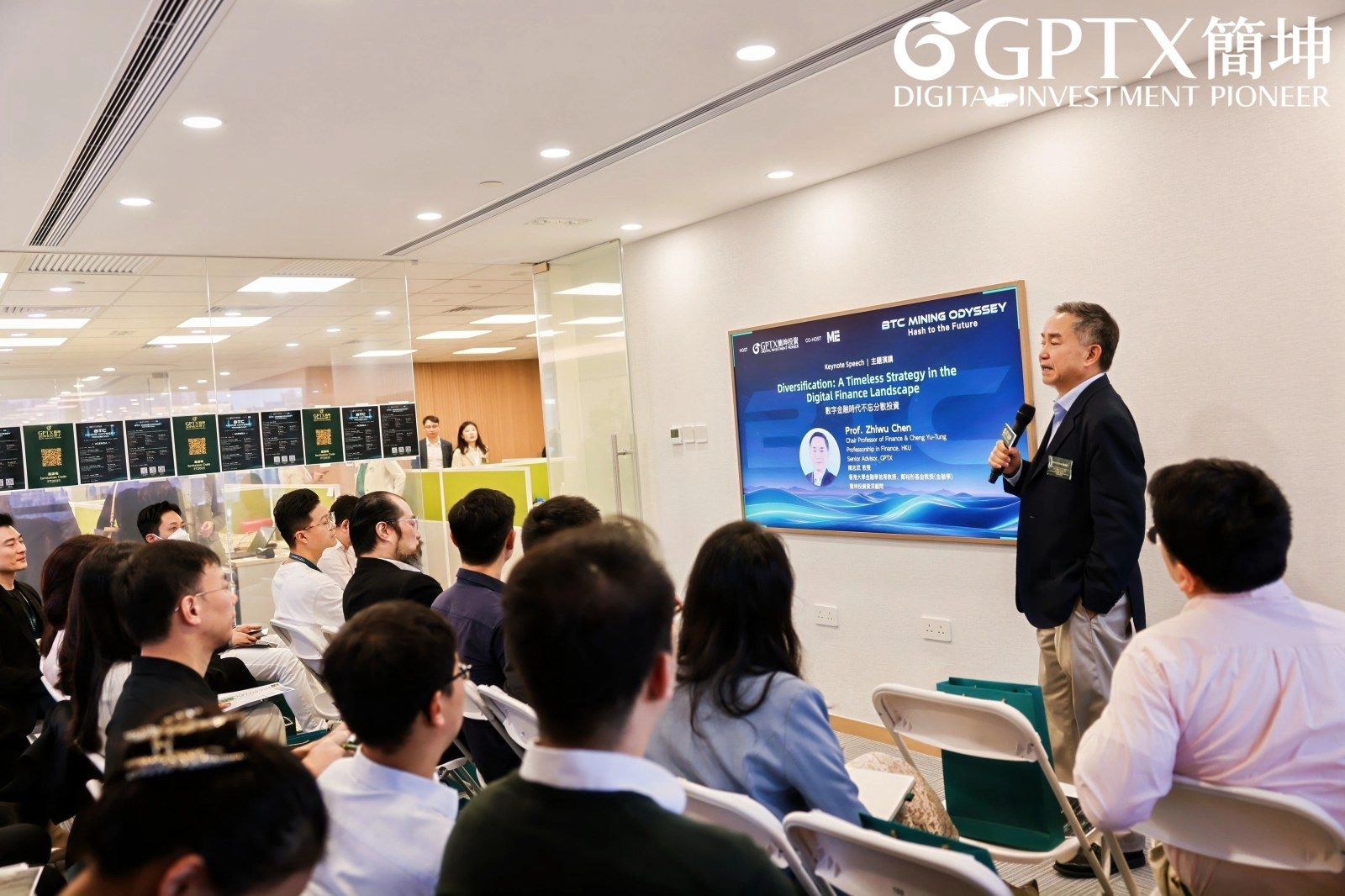
RWA Business Practice: Ushers in a New Era of Asset Digitization
A key highlight of the event was the announcement by GPTX簡坤投資 of the launch of its pioneering product in the RWA business sector. The fund employs a tokenized structural design, creating a novel avenue for professional investors to directly engage in investments involving digital native assets. This development marks the transition of the RWA business model, centered around computational power, from conceptual discussions to tangible applications serving institutional investors.
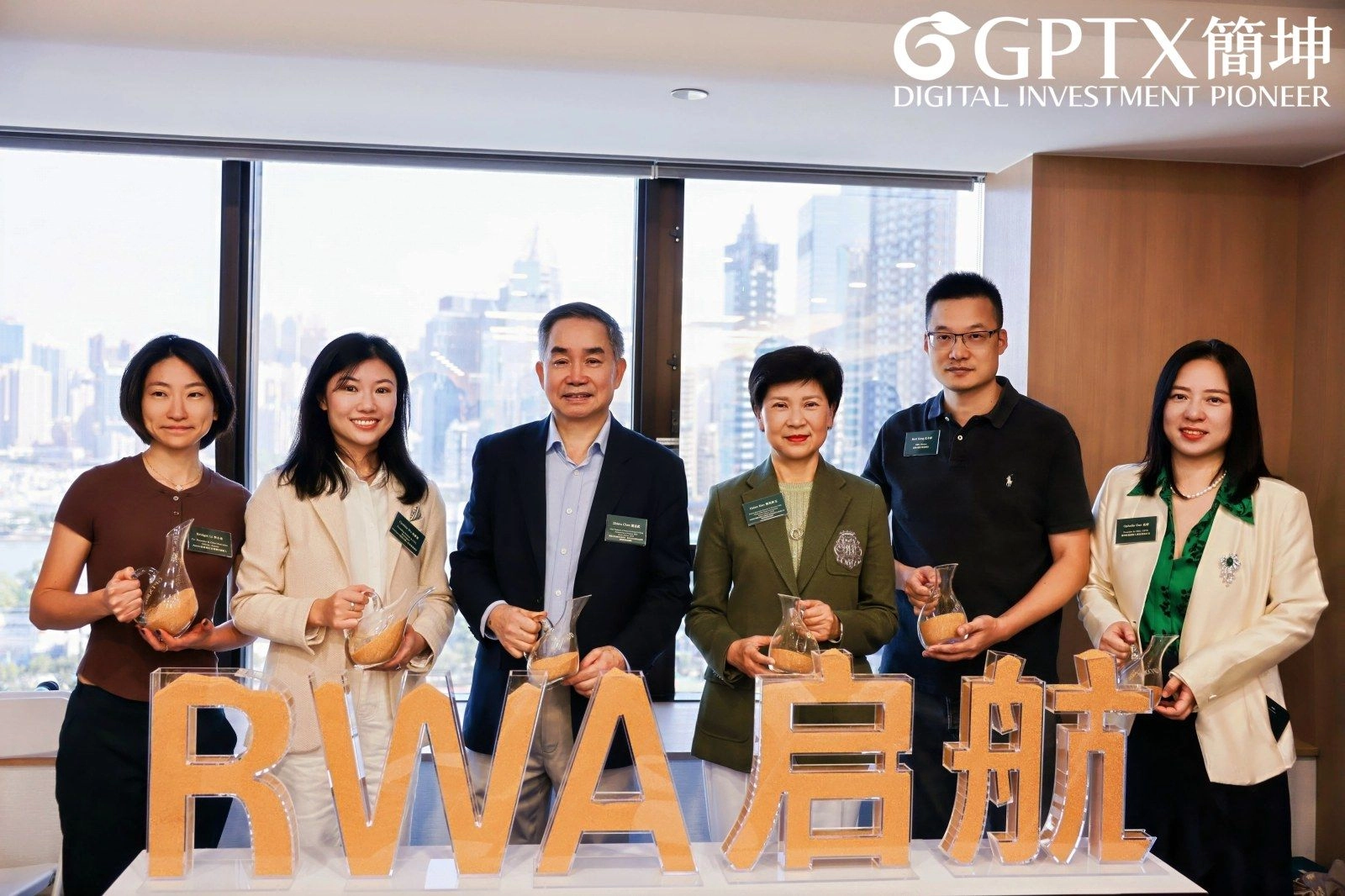
Panel Discussion: In-Depth Analysis of Tokenized Funds and Crypto-Native Insurance Trends
The two afternoon panel discussions consolidated industry consensus, deeply focusing on the two cutting-edge fields of “tokenized funds” and “crypto-native insurance”.
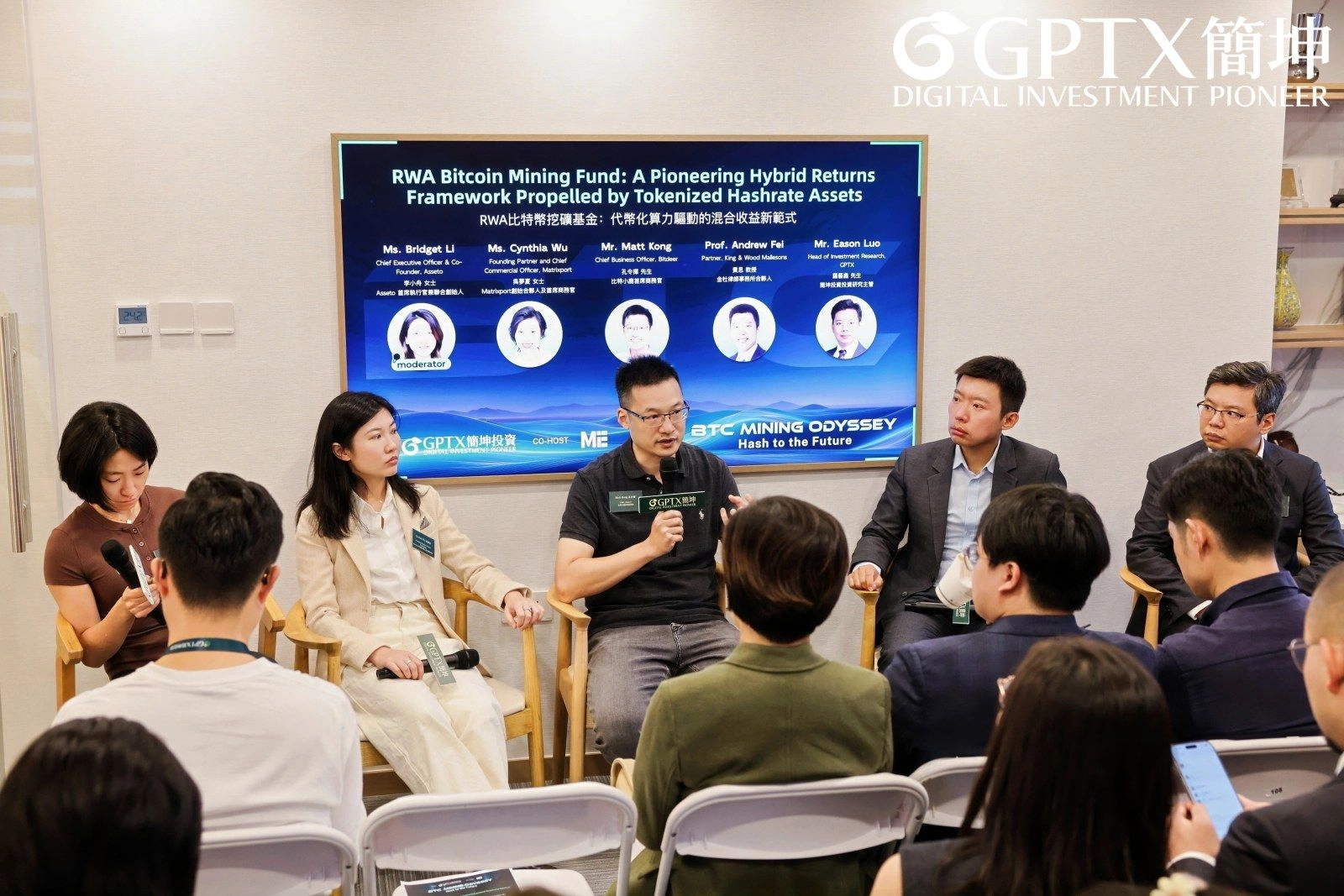
Tokenized Funds: A Pioneering Hybrid Returns Framework Propelled by Tokenized Hashrate Assets - Mr. Matt Kong, Chief Business Officer of Bitdeer, believes that the mining industry is moving towards compliance and professionalization, and AI computing power demand brings new opportunities for miners. Ms. Cynthia Wu, Founding Partner and Chief Commercial Officer of Matrixport, stated that asset tokenization is an inevitable trend, tokenizing physical assets through transparency, low costs, and liquidity to solve traditional investment pain points, such as gold tokens. Prof. Andrew Fei, Partner of King & Wood Mallesons, from a professional perspective, values tokenized funds’ ability to achieve efficient circulation and flexible profit distribution under a compliance framework. Mr. Eason Luo, Head of Investment Research of GPTX簡坤投資, stated that computing power is the core asset of the AI and Web3.0 era, and tokenized funds can allow professional investors to directly obtain digital native assets at relatively low cost and controllable risk.
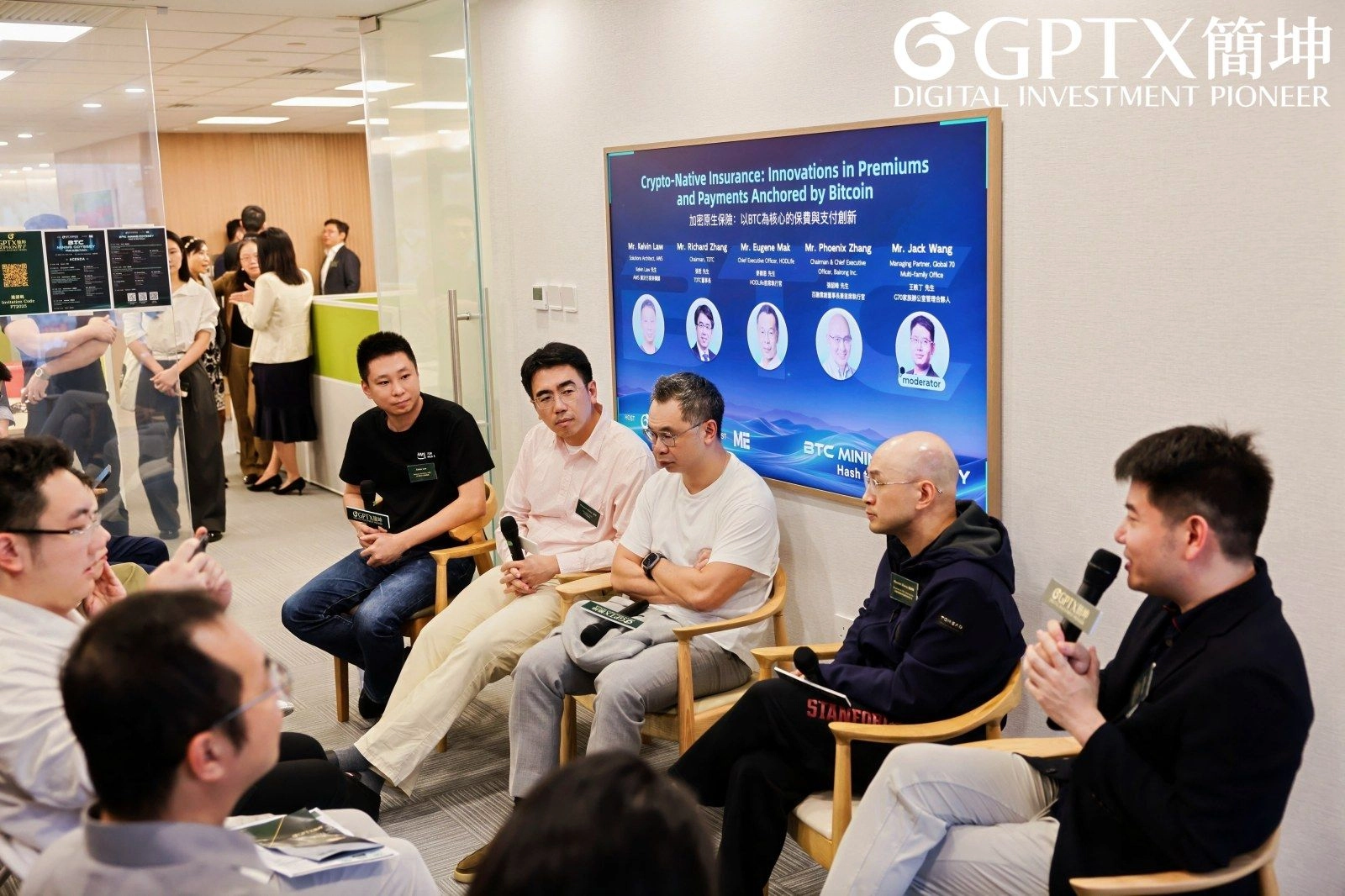
Crypto-Native Insurance: Innovations in Premium and Payment Innovation Anchored by Cryptocurrency - In the second panel discussion, Mr. Phoenix Zhang, Chairman and CEO of Bairong Inc., expressed high confidence in blockchain technology, believing it will become an indispensable micro-payment settlement infrastructure supporting the future trillion-dollar AI agent economy. Mr. Eugene Mak, CEO of HODLife, drawing on his years of experience in the insurance industry, proposed that through blockchain technology empowerment, crypto-native insurance products can be innovatively developed under a compliance framework. Mr. Richard Zhang, Chairman of TDTC, stated that Bitcoin is an anti-inflation asset that surpasses gold, and products combining it with insurance can to some extent hedge against inflation risks. Mr. Kelvin Law, AWS Solutions Architect, stated that for the innovative development of crypto insurance, the security, compliance, and scalability of the underlying architecture need to be considered.
Industry Deep Insights: Digital Finance and Traditional Finance Accelerate Integration, Compliance Leads, AI+Web3.0 Empowers the Future
Event consensus shows that RWA is moving from concept to practice. By combining real-world assets with blockchain technology, RWA not only has the opportunity to enhance the liquidity of traditional assets but also inject value support into digital assets. From computing power tokenization to real-world asset on-chain, to the combination of cryptocurrency and insurance products, the boundaries between digital finance and traditional finance are rapidly dissolving. In this process, Hong Kong’s continuously improving regulatory framework indicates that compliance has become the core competitiveness of the digital asset market. At the same time, the technological resonance between AI and Web3.0 is giving birth to new focal points: with the large-scale application of AI agents, blockchain’s immutability and smart contracts’ automatic execution capabilities will together construct the core foundation of future financial infrastructure, expected to inject intelligent genes into traditional financial industries such as insurance, promoting their evolution towards trustworthiness, efficiency, and inclusiveness.
Future Outlook: Building a Trustworthy and Efficient Digital Asset Ecosystem Together
The successful hosting of this event not only demonstrated the industry’s significant progress in technological innovation and compliance construction but also revealed the future path of digital asset development: a new financial ecosystem with AI and computing power as the technical foundation, RWA as the value carrier, and compliance as the market safeguard is accelerating its formation.
With the continuous improvement of regulatory frameworks, the increasing participation of institutions, and the in-depth development of technological innovation, digital assets are facing a historic turning point opportunity, and the deep integration of computing power and RWA is expected to provide core momentum for this transformation, promoting the global financial system to evolve towards a more open, efficient, and inclusive direction.